
Revenue & Performance
Are HVAC maintenance plans worth it?
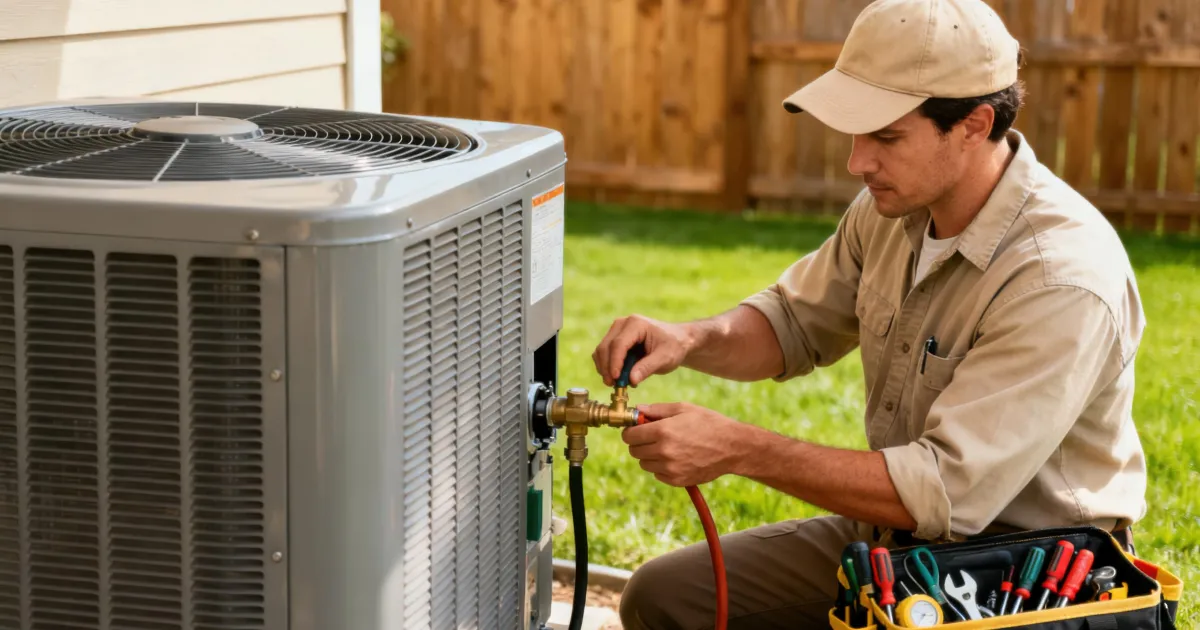
HVAC maintenance plans are worth it. They give you steady calls, improve customer retention, and raise the value of your shop. Plans help keep your techs busy in slow seasons and open the door to more sales. Every HVAC shop should make maintenance plans a priority.
Why maintenance plans matter
HVAC is a feast-or-famine trade. You get slammed in the busy season and then worry about filling your board when the weather turns. Maintenance plans help you fix that. They create steady, scheduled calls year-round. When you have more plan customers, you worry less about slow months.
Plans build loyalty. Homeowners who pay for a plan tend to call you first. They do not shop around. That repeat business is hard to replace with ads or one-off deals. Over time, maintenance plan customers are can be worth more than a string of new calls. They can certainately be more affordable than your standard demand calls.
Plans also give you a reason to reach out. You can check in, offer seasonal service, and spot issues before they turn into big repairs. This adds real value for the customer and opens up more sales for your shop.
When you want to sell your shop, a strong base of plan customers makes your business more valuable. Buyers want steady, predictable revenue. Maintenance plans show you have a process in place that works.
What we recommend for HVAC shops
If you do not have a maintenance plan, build one now. Keep it simple. It should cover at least two visits per year. Make sure it includes basic checks and cleanings. Price it so it is easy to sell and easy to deliver. Do not add extras that slow your team down.
Train your techs to spot every maintenance plan opportunity. Every service call is a chance to pitch the plan. Make it part of your KTI tracking. If techs are not offering the plan, coach them on how and when to bring it up.
Keep track of how many plans you sell and how many customers stay on year to year. Use your CRM or spreadsheet if you have to. The goal is to grow the number of active plan customers every month.
Reward your techs for signing up new plans and keeping customers on. Tie this to your regular meetings and KTI reviews. Celebrate the wins and coach the misses.
How to build and sell an HVAC maintenance plan
Create a simple plan
Decide what is included and what is not. Two tune-ups per year is the minimum. List the checks and cleanings you will do on each visit.Set a price that works for your shop and your customers
Do not race to the bottom with the price. The plan should be easy to sell but should be competitive in your market.Train every tech to offer the plan on every call
Use role-play and ride-alongs. Make sure each tech can explain the value in plain words.Track plan sales and renewals
Use your CRM or a spreadsheet. Review these numbers every week.Follow up with plan customers before their next visit is due
Book early so your board stays full in the slow season.Reward success
Give techs a reason to care. Celebrate when plan sales go up.
What only Team SPG coaches will tell you
A maintenance plan is not just a coupon book. It is a system for steady calls, higher close rates, and stronger customer ties. Do not treat it like a giveaway. Price it so you can deliver real service and keep your techs paid.
If your techs say they do not have time to sell the plan, ride along and watch. Most misses are from your technicians not understanding the value of the maintenance plan. Fix the pitch, not the plan.
Tie your plan offer to your KTIs. Track every opportunity, not just the sales. If plan sales stall, dig into the numbers. Is it a close rate issue? Is it a training gap? Is it a belief issue? Your KTIs will show you where to coach.
If you ever want to sell your shop, buyers will look at your plan accounts first. A shop with a strong base of plan customers is easier to sell and worth more. Do not skip this step.

Related questions
How do I know if my maintenance plan is priced right?
Check if you can deliver the visits and still make a profit. The point is not to mindlessly run maintenance plans, but instead to do system evaluations and provide options to homeowners that turn into sales.
What should my techs say when offering the plan?
Keep it simple. Explain the visits, the checks, and the peace of mind. Tell the customer how the plan helps their system last longer and cuts surprise breakdowns.
Is it worth offering plans if I only have a few techs?
Yes. Even a small shop will see steadier calls and more repeat business. Start small and build as you grow.
What if customers cancel their plans?
Track renewals. If you see a drop, check how you are delivering the visits. Make sure customers see the value every year. Fix follow-up if needed.